The Wretched of the Sea
A split-screen tragedy of global mobility: one ocean, one generation, two radically unequal freedoms.
A documentary project by Camilla Baumann and Shana Monnin
with the participation of Saeed Maiga and Jannis Bierschenk
A Zonoff & Futur Proche production
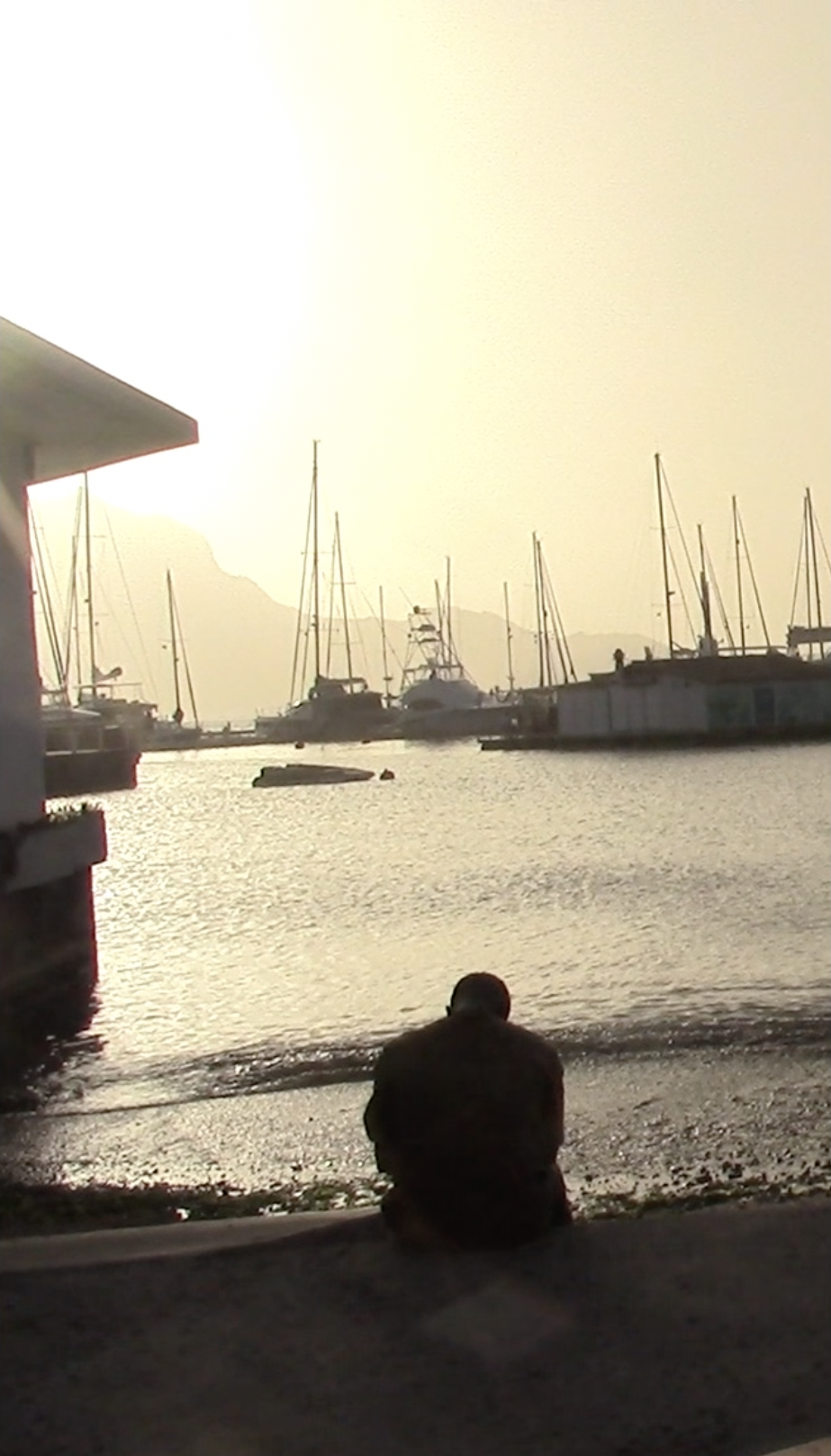
Mindelo, Cape Verde
On one side, Jannis, Amadeus and Freddy, three 25-year-old Germans, document their sailing adventure: a quest for freedom, exploration and self-discovery. On the other, Saeed, a 30-year-old Malian, films with his phone his daily wait in front of Mindelo’s marina, hoping that a captain will agree to take him on board. For him, crossing the Atlantic is a matter of survival.
For seven months, Saeed endures rejection and fall promises. After months of searching, he finally manages to embark on a boat bound for Brazil — only to disappear from the radar after a few days.
When he gets back in touch weeks later, he is emaciated, weakened and deeply shaken. He recounts what happened: engine failure, a broken radio, storms, drifting at sea, extortion and human trafficking.
Rescued at the last moment by a fishing boat after weeks adrift, Saeed eventually returns to where he started: with no money, and profoundly marked by the ordeal.
Through their attentive presence and their editing work, the directors weave together, over more than a year, the trajectories of these intersecting lives. The film brings forth an intimate and deeply contemporary story, about the desire to travel and the necessity to migrate, and who is granted the freedom to do so.
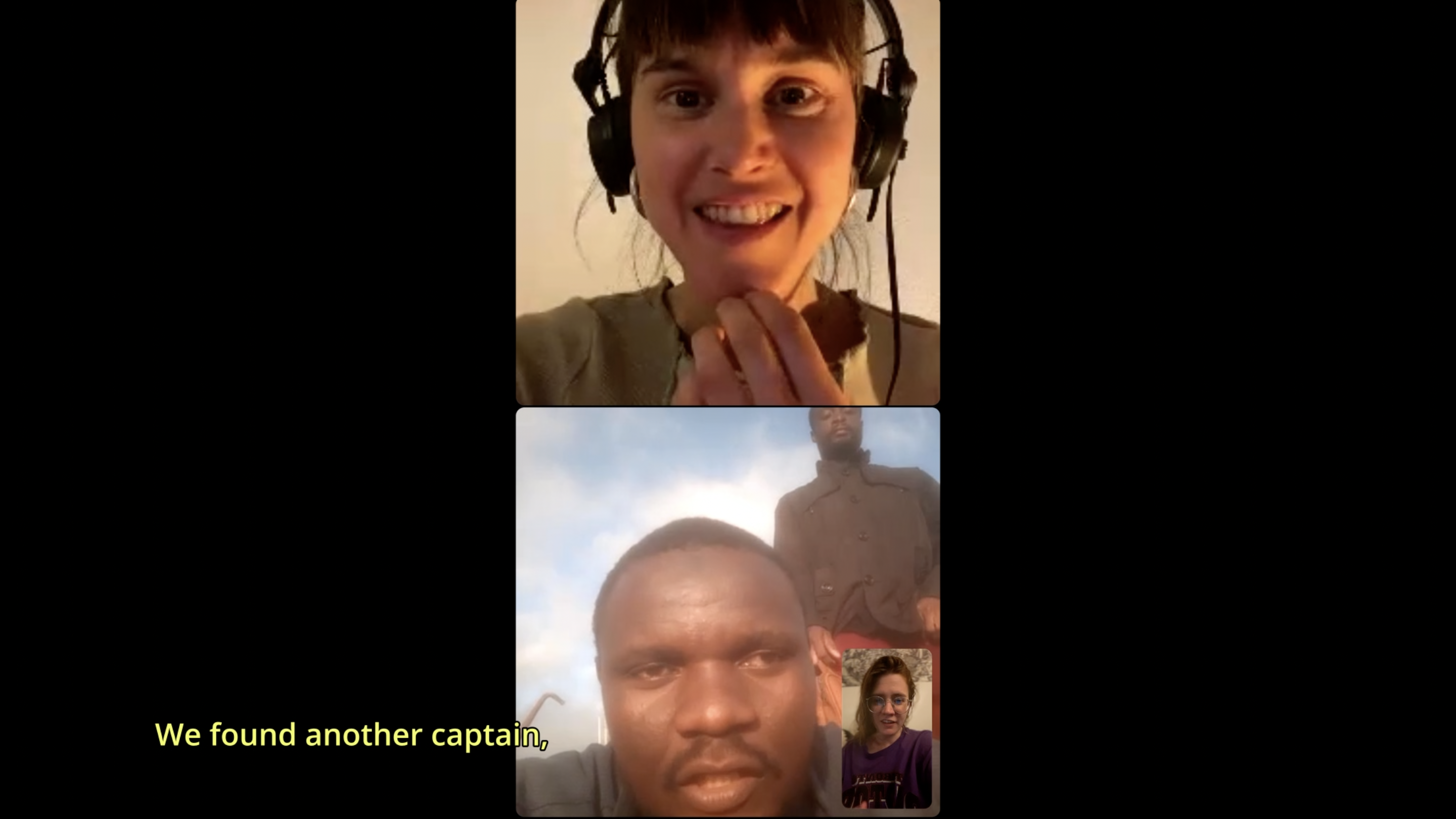
A unique narrative strength
The film is built around a rare and deeply authentic cinematic device: a collaborative documentary process, immersing itself alongside the protagonists, who become the authors of the images that make up their own story.
Jannis’s footage, shot on a cinema camera, evokes the contemporary road movie and the aesthetics of slow travel.
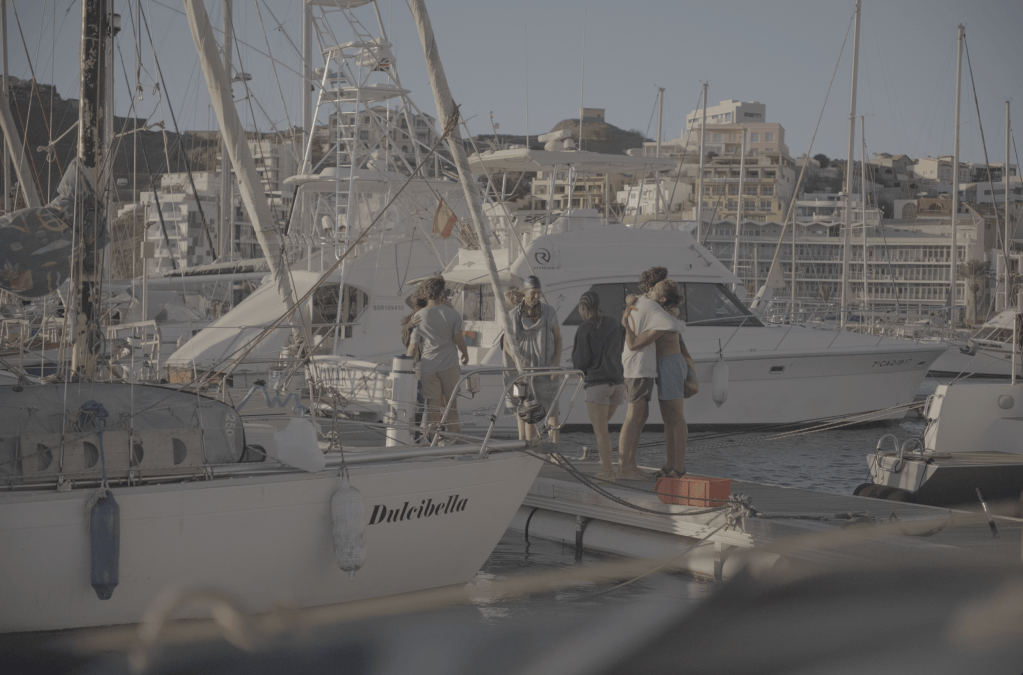
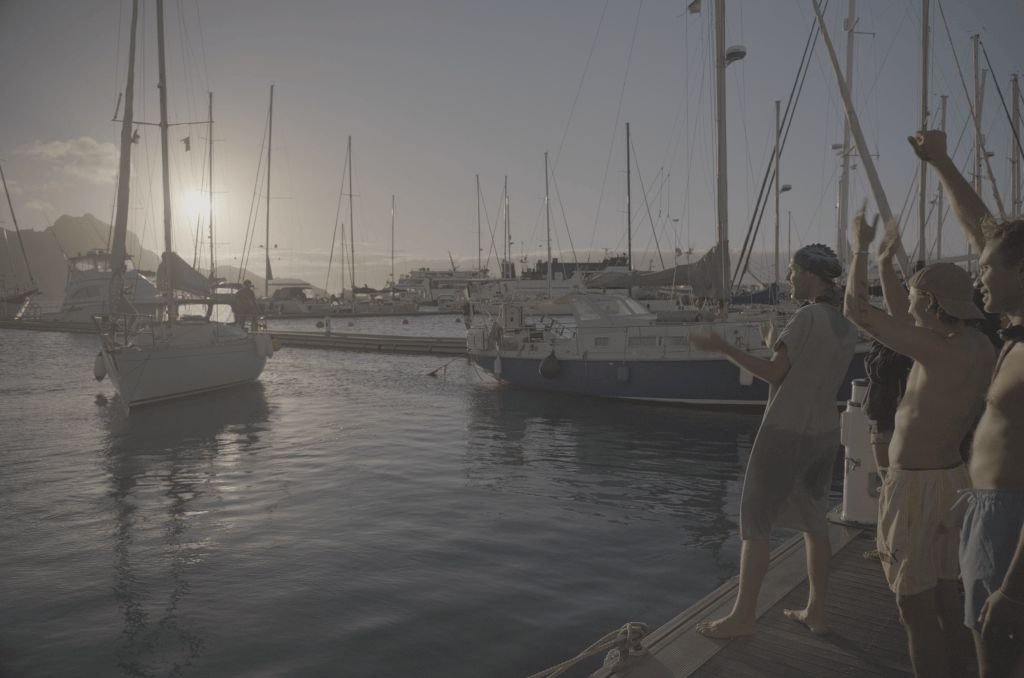
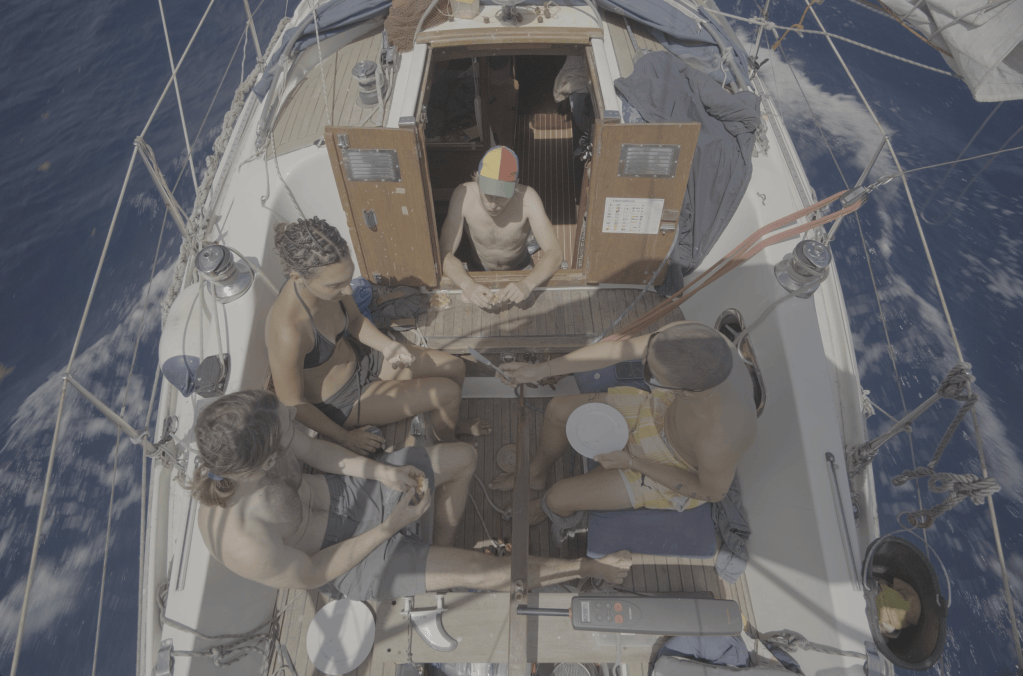
Footage captured by Jannis
Saeed’s images, filmed vertically on his phone, are raw, fragile and immediate.
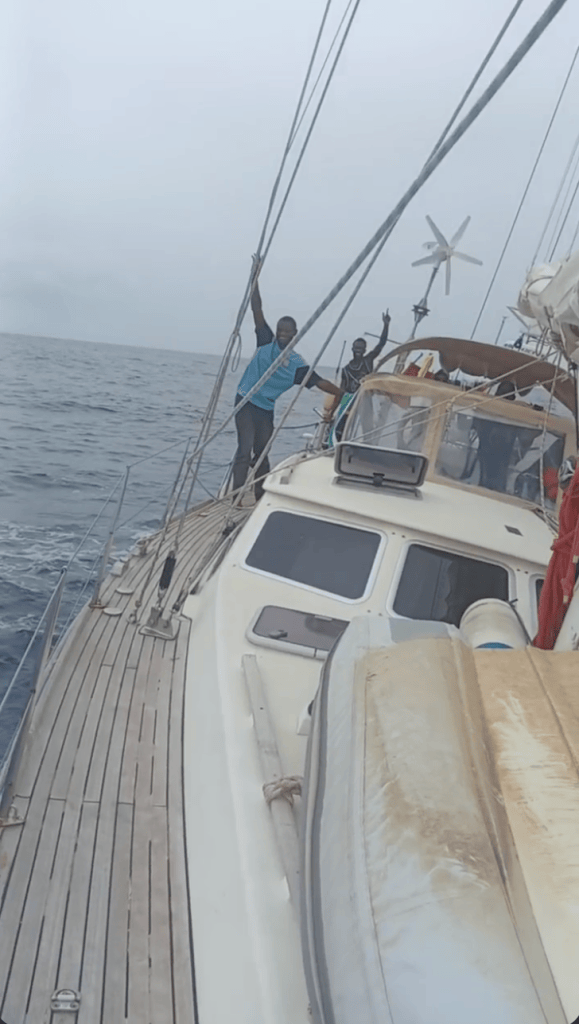
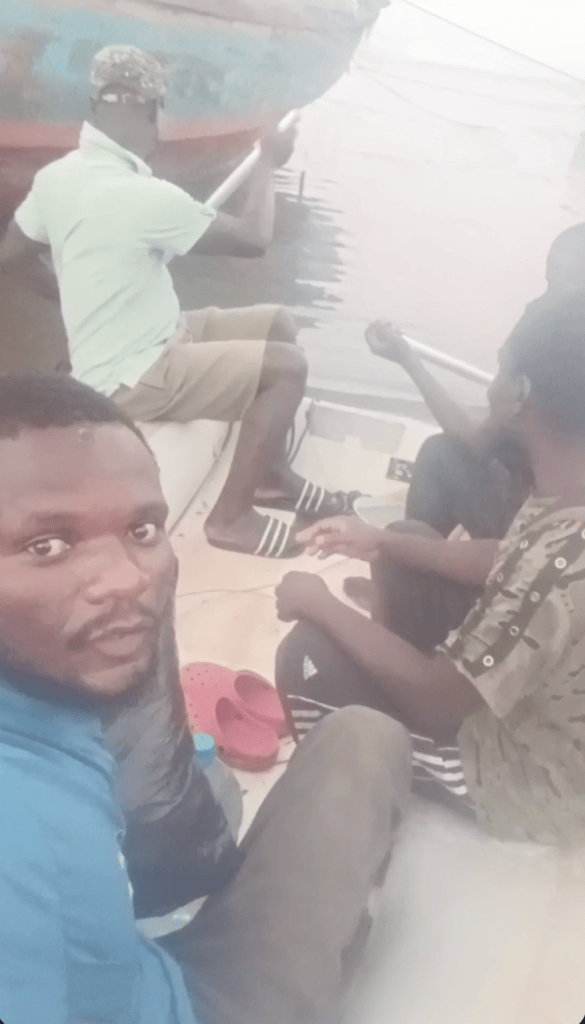
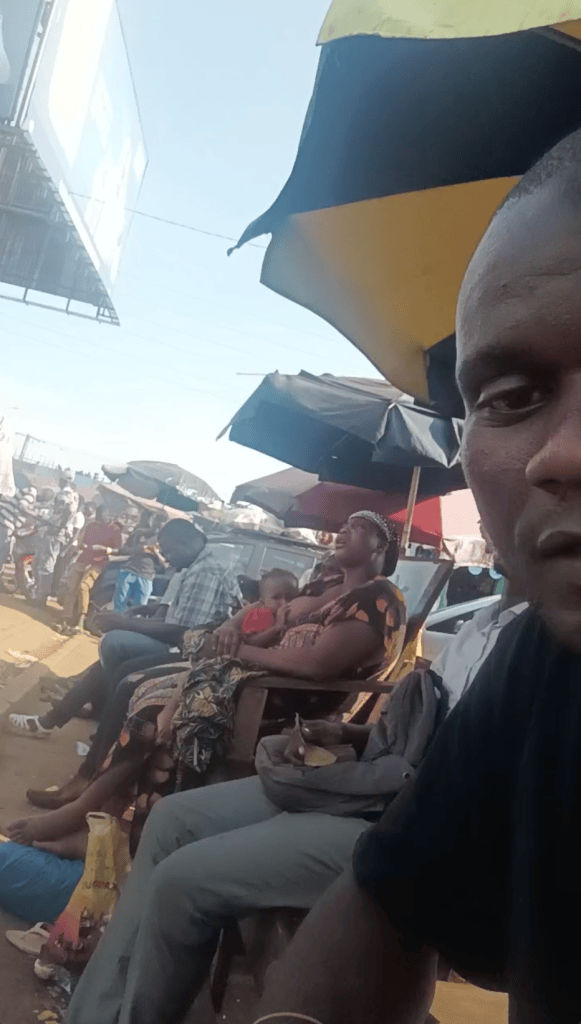
Footage captured by Saaed
This contrast in the visual material directly reflects the difference in their lived experiences: on one side, a chosen and carefully framed adventure; on the other, a crossing shaped by urgency, uncertainty and necessity.
This confrontation between two filmed diaries — the enthusiastic self-representation of the European travelers and Saeed’s selfie videos
— creates a particularly powerful narrative mirror. The film does not seek to explain inequality; it allows it to emerge organically through the editing of two parallel experiences of the same space.
Since the outset of the project, we have chosen to self-finance its development. This commitment has enabled us to follow the protagonists over an extended period, to build the documentary material that now forms the foundation of the film, and to confirm the narrative strength of its cinematic approach. this project was born out of a human, political, and artistic necessity: to document a reality as it unfolds, to give voice to those directly affected, and to contribute to an essential reflection on the world we live in today. The next stage is crucial: to create the film’s final movement, which opens onto contemporary border surveillance technologies, before entering editing and post-production, where these three perspectives will find their final form.
About the directors
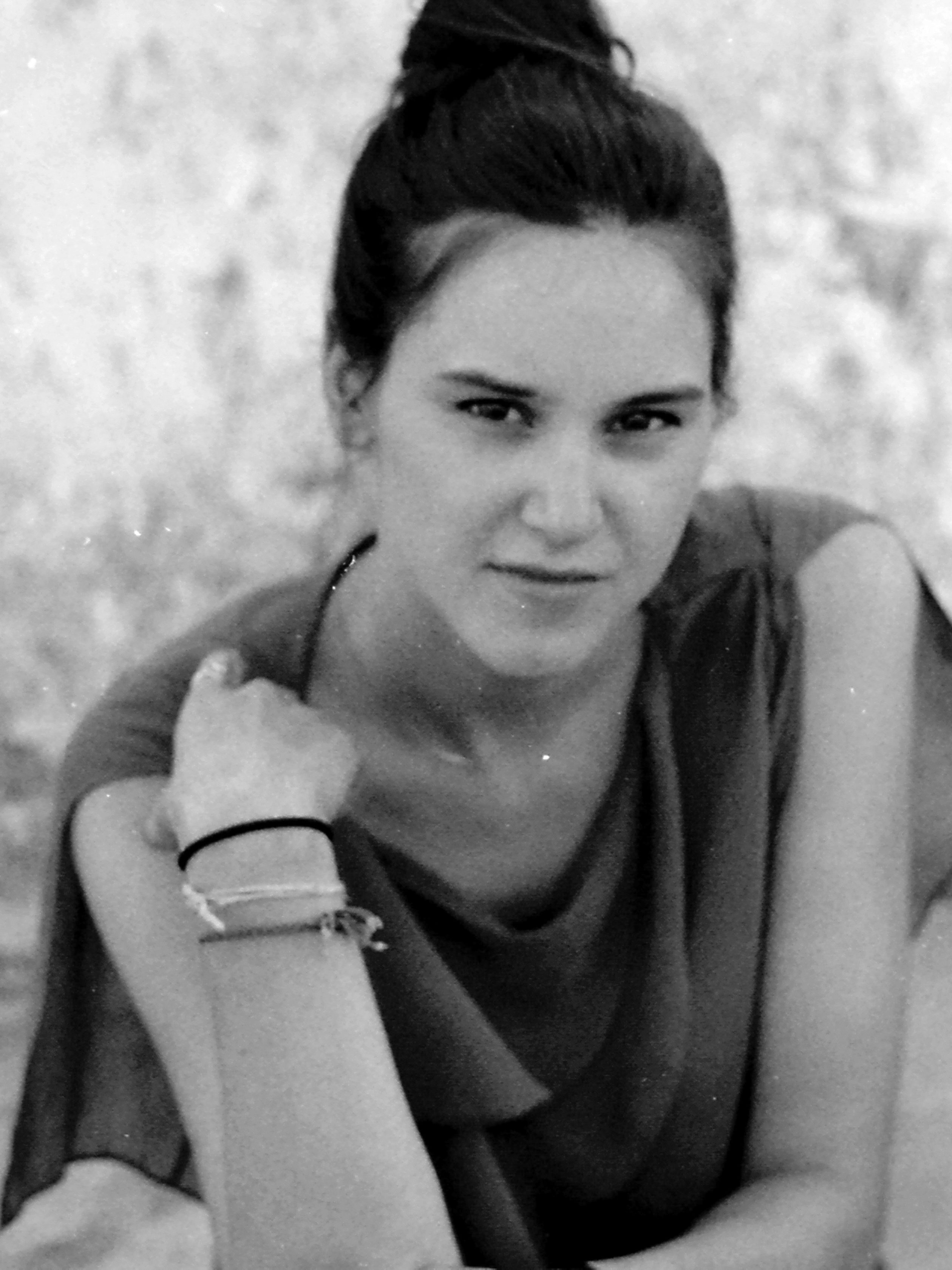
Camilla Baumann
Camilla Baumann is a Swiss-Brazilian filmmaker born in Geneva in 1989. She studied Social Sciences at the University of Geneva and History at the Global Studies Institute. Her work moves between documentary filmmaking, cultural production, and research, with a particular focus on social, political, and territorial issues. She regularly collaborates with Swiss Italian Television and organizes cultural projects between Ticino, French-speaking Switzerland, and Brazil. She is currently developing her first feature-length auteur documentary with the Pacte de l’Audiovisuel and Cinedokke.
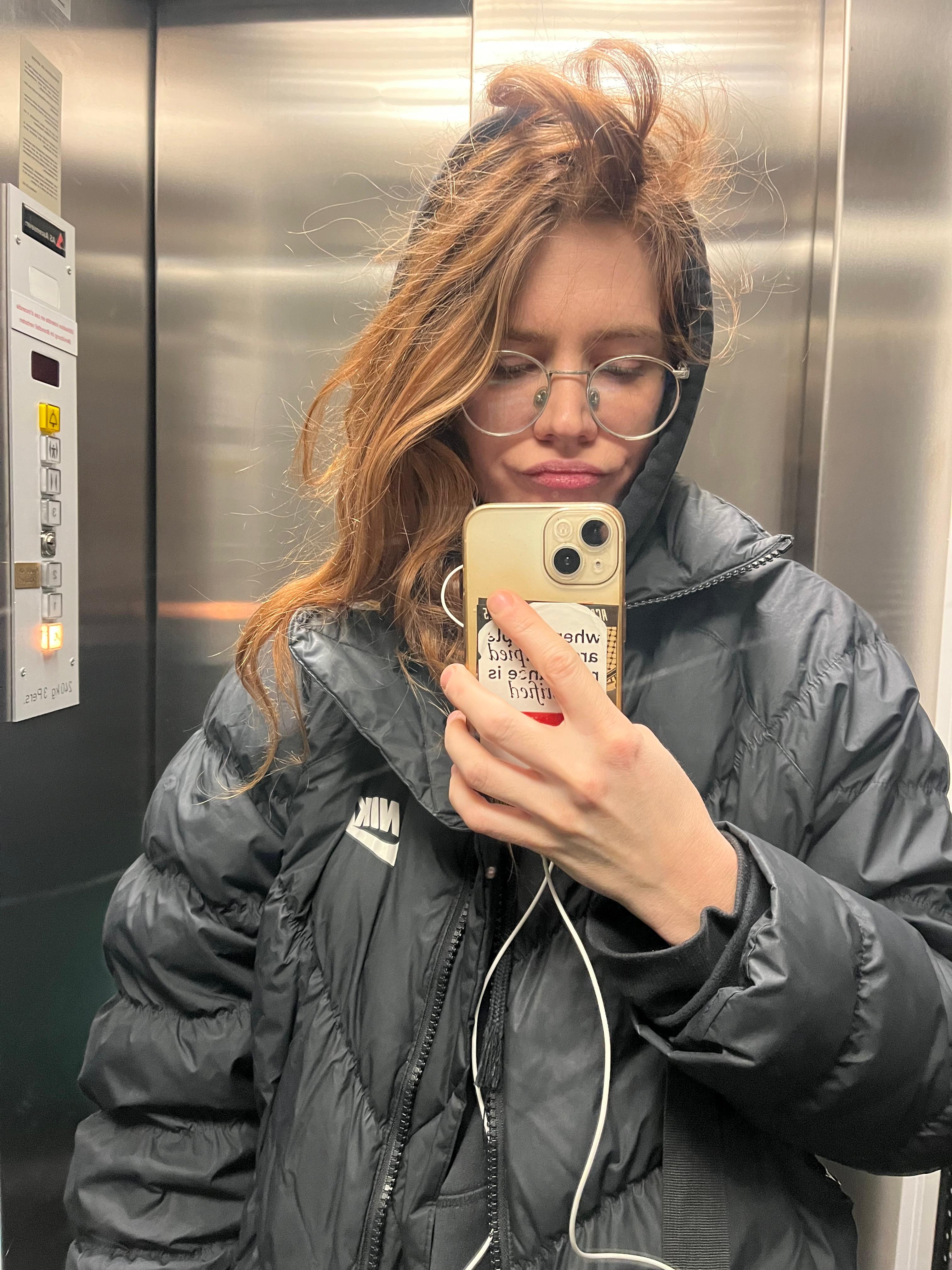
Shana Monnin
Shana Monnin is a filmmaker and social worker.
She studied art history and social sciences at the University of Lausanne, then visual and media anthropology at HMKW Berlin. Her research and creative work explores the links between digital technologies and migration in Central America, particularly between Nicaragua and Costa Rica. In this context, she directed the short film Doble Cara, composed of audio interviews with (im)migrant people and archival material, combined with images that contrast Western tourist realities. The film was shown in 2023 at Kino Moviemento in Berlin. Her various practices repeatedly question migration issues and inequalities in the appropriation of space.
The participants
Saeed Maïga
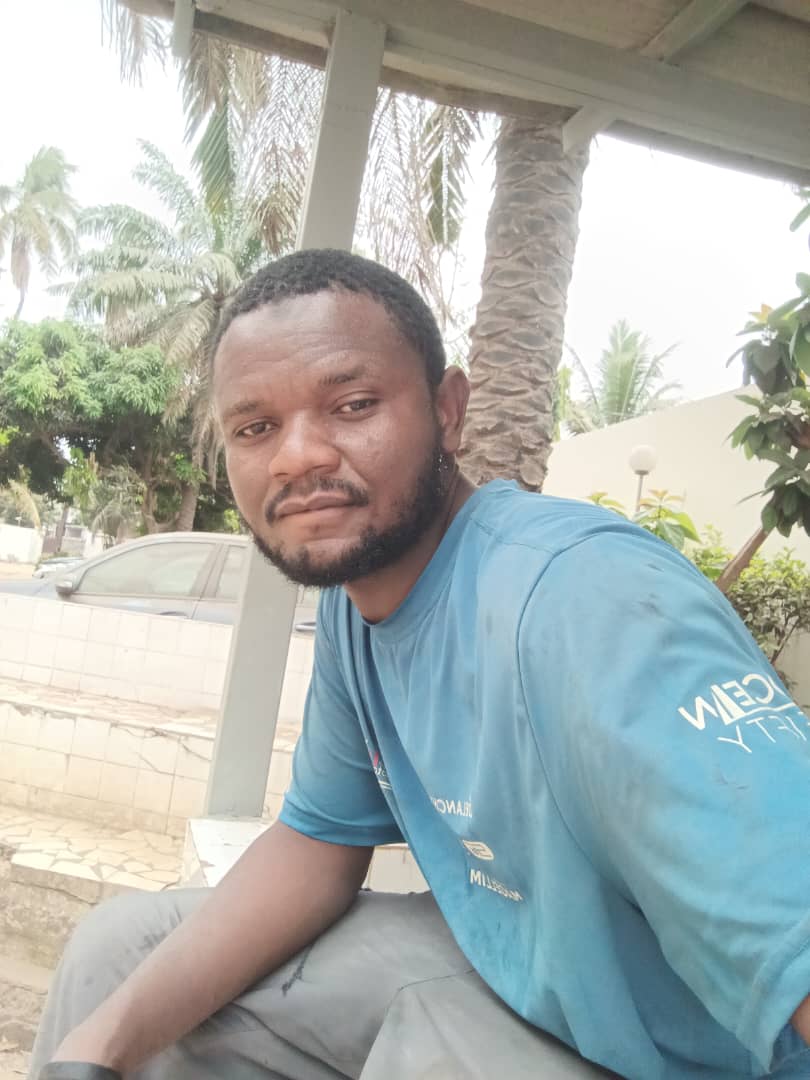
Saeed is a 30-year-old man originally from Mali. Every day, from 8 a.m. to 10 p.m.,he stands in front of Mindelo’s marina, hoping to find a captain willing to take him on board to cross the Atlantic. “Over there, on the other side, there are islands that do not require a visa for us from Mali,” he explains. He documents his daily life with his phone. Saeed left Gao, his hometown in northern Mali to escape from the terrorists who were trying to recruit him into their paramilitary forces, and he moved to the south of the country where he studied to become a teacher. As he failed his diploma, he started working various mini jobs until he couldn’t find any more job due to the economic instability of Mali.
He is well acquainted with migration routes, as he has long been trying to leave the African continent. He first left Mali for Niger with the intention of crossing the Mediterranean from Libya. But when he reached the Libyan border, his mother urged him not to go, as it was too dangerous; a family friend had just drowned while attempting the crossing. He explains that the boats crossing the Mediterranean are too unreliable, makeshift vessels, which is not the case in Cape Verde, where the boats are sturdier. A friend of his brother managed to cross the Atlantic from the Cape Verde islands and told him about this lesser-known route. In August 2025, seven months after his arrival, after many setbacks and unforeseen events, Saeed finally finds a captain who agrees to take him and five other African migrants on board.
The boat leaves the port of Mindelo on 29 August 2025
and disappears from the radars 3 days after the departure. The boat’s motor and radio broke and drifted in high seas for 5 weeks until they have been eventually rescued by fishermen who brought them back to the African shore of Guinea Conakry.
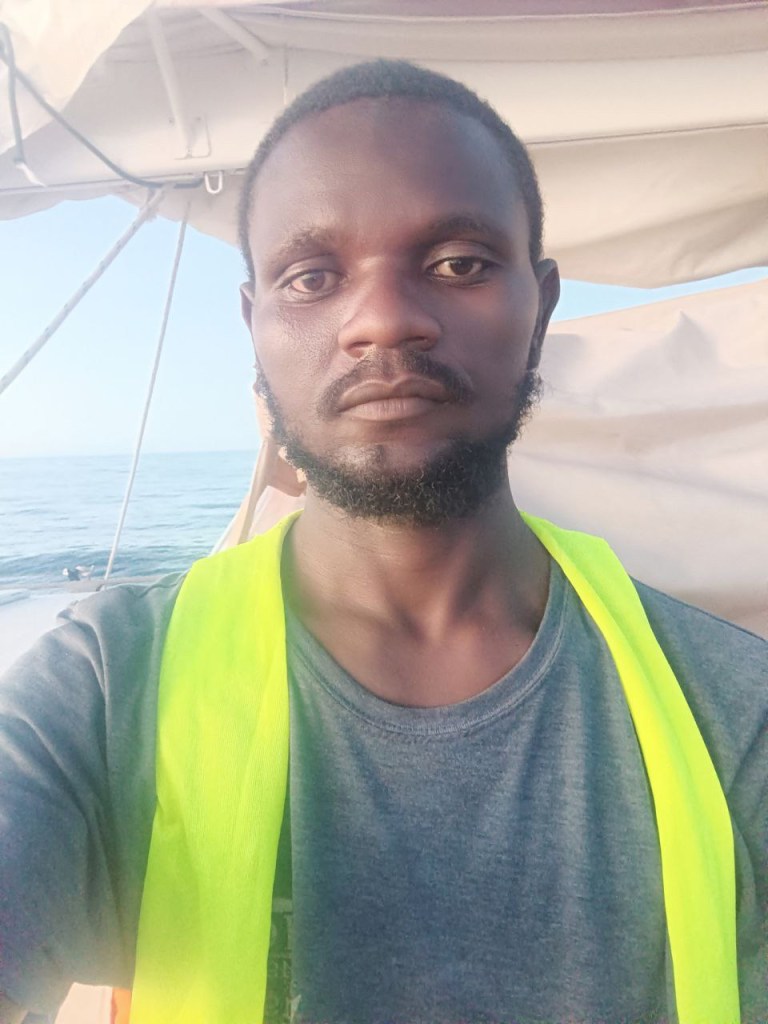
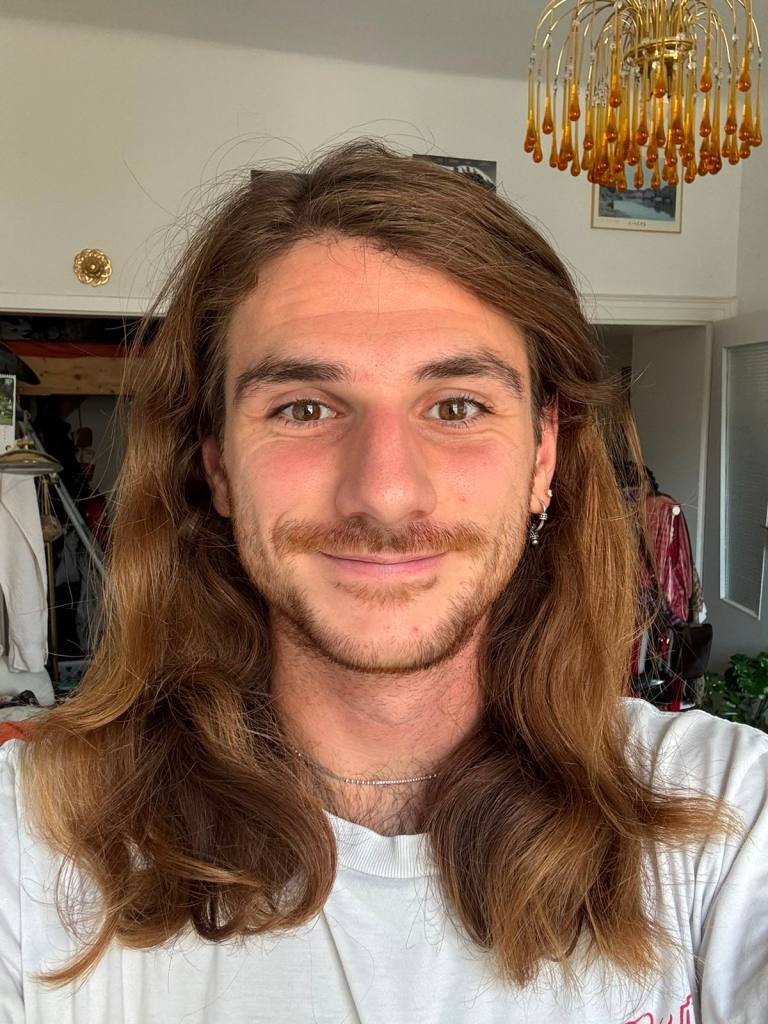
Jannis Bierschenk
Jannis Bierschenk is a German filmmaker and cinematographer who works at the intersection of documentary and art. Following his training in television documentaries for ARD, ZDF, and arte,
he has been traveling as a nomadic filmmaker, shooting projects from activist films in Poland, a documentary in Afrika to a sailing journey across the Atlantic. His work blends personal storytelling with a strong visual approach.
About the producer
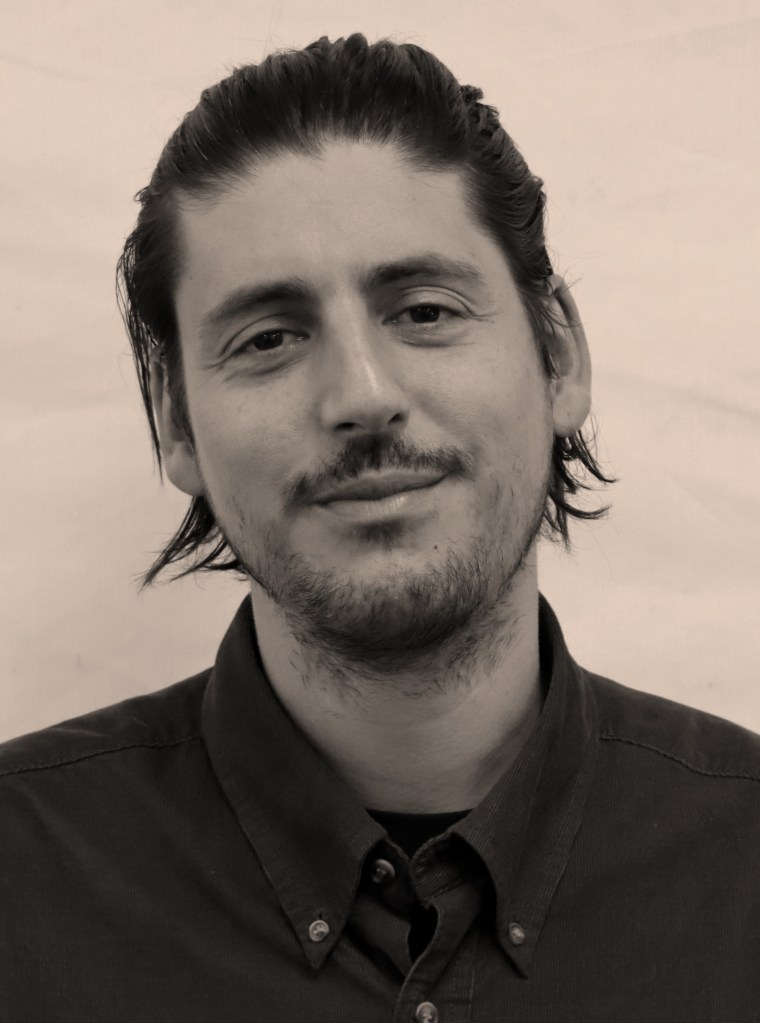
Antoine Harari
Antoine Harari is an investigative journalist and independent producer who divides his time between Geneva and Sicily. He focuses mainly on investigations related to corruption, white-collar crime, and human rights violations.
Futur Proche is a creative documentary writing company. Founded by Antoine Harari in spring 2021, it produces both film projects as well as podcasts and long-form pieces. The themes it explores are related to the social issues of our current society.
 The Wretched of The Sea